Leak Detection & Emergency Response

Stop the Drip.
Find the Source.
Bellport, NY.

That stain on your ceiling isn't always where the leak is. Roofing Time Inc tracks water back to where it's really getting in — and seals it for good. 24/7 emergency tarping and leak detection across Bellport, Patchogue, Brookhaven, and the South Shore of Long Island.

ACTIVE LEAK?  We dispatch emergency tarping 24/7 across Suffolk County
(631) 316-9230

The Mystery of the Leaky Roof

The Stain on Your Ceiling
Is Lying to You

Here's the thing nobody tells you about roof leaks: the water rarely comes in where you see it. That brown spot over your kitchen sink? The real entry point might be ten feet away, at a chimney flashing on the opposite side of the house. Water runs along rafters, soaks into decking, travels down the underside of your roof, and then drops through a ceiling seam — leaving you chasing a ghost.

That's why DIY fixes fail, and why the roofer who "patched it last month" is getting another call today. At Roofing Time Inc, leak detection is its own craft. With over 35 years on Long Island rooftops, owner Tom Melillo has traced thousands of leaks back to their true source — not the obvious one.

When we come out, we don't just slap tar on the first suspicious shingle we see. We inspect the attic, trace the water path, check every flashing point, test the usual failure zones, and confirm the source before we ever lift a shingle. Then we fix it — once, for good.

Found damage you can already see? Head over to our Roof Repair page. Wondering whether a repair is even worth it? Check out full replacement options on our Residential Roofing page.

Why Leaks Are Tricky

The Water Enters Here.
The Stain Appears There.

Water follows gravity and the path of least resistance. That means the drip you see inside your house is almost never directly below the actual leak point on your roof. This is why leak detection needs an expert eye — and why patching the symptom never works.

Cross-Section View
Where You See the Stain
Leak source
Ceiling stain

Water Travels in Sneaky Ways

When a leak starts, water doesn't fall straight down. It runs along the underside of decking, rolls down rafters and trusses, soaks into attic insulation, and finally finds a low point to drip from.

On a steep roof, the entry point can be 15–20 feet away from where the stain shows up. On a flat roof, water can pool and travel even further before finding a seam to exit through.

That's why guessing never works. You need someone who knows what to look for — and where.

Early Warning Signs

6 Signs You Have a Leak
(Before You Ever See One)

Most leaks give warning signs long before water shows up on your ceiling. Catch these early and you'll save thousands in drywall, framing, and mold remediation.

Water Stains on Ceilings
Yellow or brown rings, even faded ones. Active or old, they mean water has been where it shouldn't.
Musty Attic Smell
A damp, earthy odor in your attic usually means trapped moisture — the early stage of a hidden leak and mold growth.
Peeling Paint or Wallpaper
Near ceilings or on exterior walls — a telltale sign that moisture is seeping in from above and slowly destroying your finishes.
Spiking Energy Bills
Wet insulation loses its R-value fast. If your heating or AC is suddenly working harder, a hidden leak may be the cause.
Bulging or Sagging Drywall
When you see drywall starting to dip or bubble, water has already been pooling above it — act fast before it collapses.
Discolored Attic Wood
Dark streaks on rafters, trusses, or the underside of roof decking are water trails — follow them back to find the source.

How We Find Leaks

The Detection Methods
Amateurs Skip

We don't guess. We use proven inspection techniques that trace water to its actual source — not the first thing that looks suspicious.

Method 01
Interior Attic Inspection
The first stop is inside. We examine the underside of your decking, rafters, and insulation — water trails tell us exactly which direction to look next.
Method 02
Flashing Point Analysis
The vast majority of Long Island roof leaks come from failed flashing — chimneys, skylights, valleys, vents. We inspect every penetration methodically.
Method 03
Controlled Water Testing
For stubborn mystery leaks, we'll run water on specific roof zones in a controlled sequence while a second tech watches the attic — confirming the source before we open anything up.
Method 04
Full Field Roof Walk
Shingle by shingle, ridge to eave. We check for lifted tabs, cracked sealant, exposed nails, and every other failure pattern that 35 years of experience has taught us to recognize.

Our Leak Response Process

From Call to Dry
in 4 Steps

Whether your leak is an active drip or a mystery stain, here's exactly how we handle it.

01
Emergency Contain
Active leak? We dispatch fast for tarping and emergency containment — stopping damage before we ever diagnose the source.
02
Full Inspection
Attic, field, flashing, penetrations. We document everything with photos so you can see exactly what we see.
03
Source Confirmation
We don't guess. If the source isn't obvious, we'll run a controlled water test to verify it before giving you a quote for repair.
04
Permanent Repair
Written quote, warranty-backed fix. We correct the actual source so the leak is done — not just patched for the next storm.

Suffolk County Leak Causes

Why Long Island Roofs
Leak in the First Place

After thousands of inspections, these are the top culprits behind the leaks we find across Bellport, Patchogue, and the South Shore.

  • Failed Chimney Flashing
    The single most common cause on Long Island. Old tar seals crack, step flashing corrodes in salt air, and water pours in right along the brick line.
  • Skylight Seal Failure
    Every skylight is a planned hole in your roof. When the perimeter seal goes, water runs in along the frame — often appearing several feet away on the ceiling.
  • Ice Dam Backup
    Classic Long Island winter issue. Snow melts, refreezes at the eaves, and backs water up under the shingles — straight through to your ceiling.
  • Wind-Lifted Shingles
    After Nor'easters, we find hundreds of shingles partially lifted. Even if they lay back down, the seal is broken and rain works in underneath every storm.
  • Plumbing Boot Cracks
    Rubber boots around plumbing vent pipes dry out and crack in 10–15 years. A tiny crack lets a surprising amount of water through every rainfall.
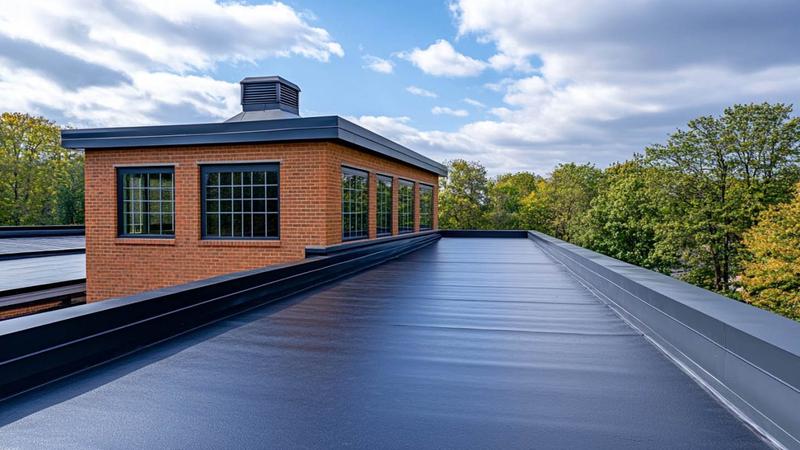
Long Island roof leak detection and inspection

Common Questions

Leak Detection FAQs

The questions we hear most from Long Island homeowners who've just discovered a drip.

Our standard leak inspection is free across our Long Island service area. If the leak is a total mystery and requires extended water testing or a thermal investigation, there may be a diagnostic fee — but we'll tell you before any charges apply, and it's typically credited back if you hire us for the repair.
It depends on the cause. Leaks from sudden events like wind damage, hail, or fallen trees are typically covered. Leaks from aging materials or wear and tear generally are not. We provide full photo documentation and written reports so you can submit a strong claim — and we've worked with every insurer on Long Island.
For active leaks in Bellport, Patchogue, Brookhaven and surrounding areas, we dispatch same-day or within a few hours. If we can't get there immediately, we'll walk you through emergency containment over the phone to minimize damage.
Almost always because they patched the symptom, not the source. Water travels — so the visible stain is rarely directly below the leak entry point. We trace the water back to its actual entry and fix that, which is why our repairs hold.
Yes. Intermittent leaks — the ones that only appear during wind-driven rain, or after heavy snow, or at certain temperatures — are our specialty. These are exactly the kind of leaks that require controlled testing to confirm, and we have the experience to simulate the conditions and pin them down.
No — please don't climb a wet roof. It's dangerous. Instead, contain the leak inside with buckets, towels, and tarps under the drip. If you can safely access your attic, place a bucket or tarp under the drip point there. We'll handle the exterior tarping when we arrive.

Stop Guessing. Start Drying Out.

Find It. Fix It. For Good.

Tired of patches that don't hold? Let Tom and the Roofing Time team track your leak to its actual source and stop it — once, permanently. Serving Bellport, Patchogue, Brookhaven, Medford, East Patchogue, Shirley, Mastic, Sayville, and all of the South Shore. 24/7 emergency response.

✓ 24/7 Emergency Tarping
✓ 35+ Years Experience
✓ Insurance Documentation
✓ Warranty-Backed Repairs